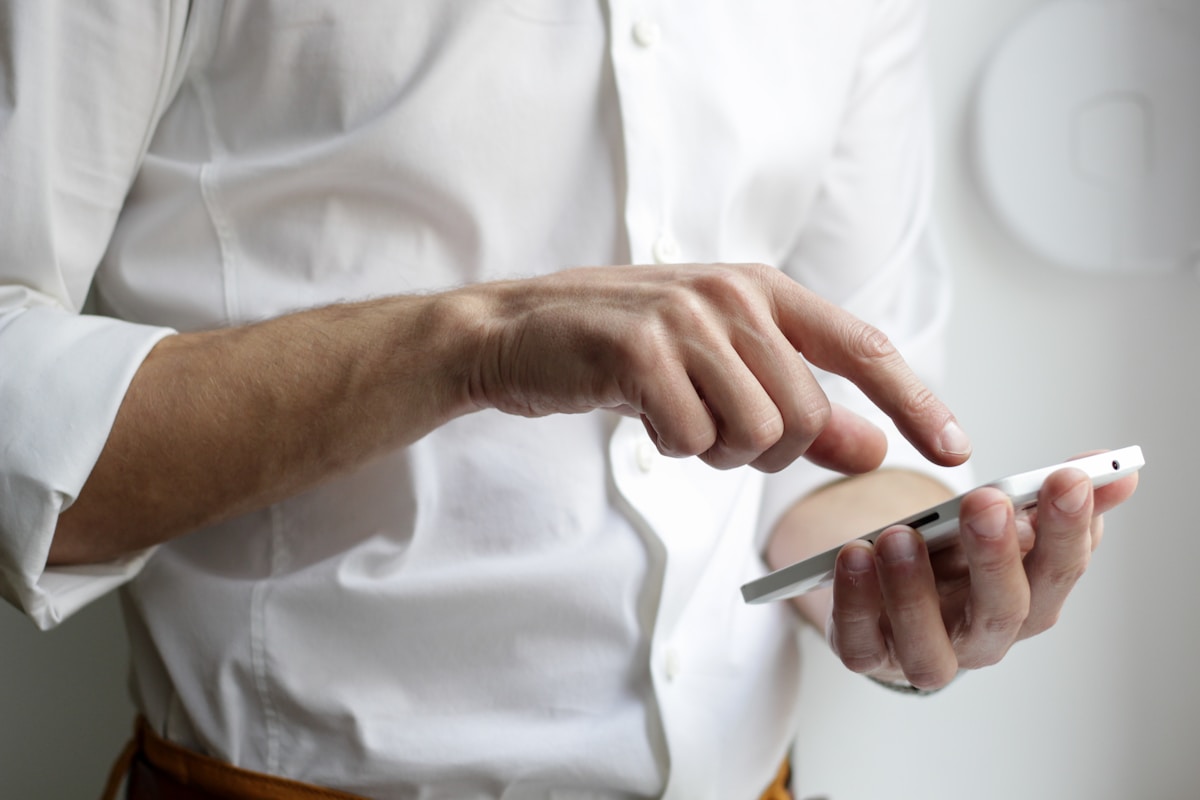
In the modern world, screens have become inseparable from our daily lives. From smartphones and tablets to laptops and televisions, the average American spends more than seven hours per day looking at screens. This technological revolution has brought unprecedented convenience and connectivity, but it has also introduced a sleep epidemic of unprecedented proportions. The culprit? Blue light—the high-energy visible light emitted by our favorite devices.
The relationship between blue light and sleep is one of the most important discoveries in sleep science in recent decades. While artificial lighting has existed for over a century, the proliferation of LED screens in recent years has dramatically increased our evening exposure to blue light at exactly the time when our bodies are preparing for sleep. Understanding how blue light affects your sleep—and what you can do about it—could be the single most impactful change you make to improve your sleep quality.
The Science of Blue Light
Light is measured in nanometers, and visible light ranges from approximately 380 nm (violet) to 750 nm (red). Blue light occupies the short-wavelength end of the visible spectrum, between approximately 380 and 500 nm. What makes blue light particularly significant for sleep is that it falls precisely in the range that most strongly affects our circadian rhythm and alertness.
Your eyes contain specialized photoreceptor cells called intrinsically photosensitive retinal ganglion cells (ipRGCs) that are most sensitive to blue light around 480 nm. These cells send signals directly to the suprachiasmatic nucleus—the master clock in your brain that controls your circadian rhythm. When these cells detect blue light, they signal to your brain that it's daytime, triggering a cascade of wake-promoting responses that include suppression of melatonin production.
How Blue Light Disrupts Sleep
Melatonin is often called the "darkness hormone" because it is released in response to decreasing light levels and helps prepare your body for sleep. Studies have consistently shown that exposure to blue light in the evening significantly suppresses melatonin production. A Harvard study found that blue light suppressed melatonin for about twice as long as equivalent brightness of green light, and with twice the intensity of effect.
This melatonin suppression has measurable effects on sleep. Research participants exposed to blue light before bed took longer to fall asleep, spent less time in deep sleep, and reported feeling less rested in the morning compared to those exposed to dimmer, more red-shifted light. Even dim light exposure during sleep can affect sleep quality, but blue light's impact is disproportionately large.
The Alerting Effects
Beyond melatonin suppression, blue light increases alertness by stimulating the production of other neurotransmitters. Blue light exposure triggers the release of cortisol, a stress hormone that promotes wakefulness. It also enhances brain activity in regions associated with alertness and attention. While this can be beneficial during the day, evening exposure creates a paradoxical situation where you're trying to fall asleep while simultaneously signaling to your brain that it should be awake and alert.
Real-World Impact
The average person checks their smartphone 96 times per day—roughly once every 10 minutes during waking hours. Many people continue using devices right up until the moment they try to fall asleep, and some wake up in the middle of the night to check messages. This behavior pattern exposes the circadian system to light signals at precisely the wrong times.
The consequences extend beyond just difficulty falling asleep. Research has linked regular evening screen use to reduced sleep duration, poorer sleep quality, increased daytime sleepiness, and delayed sleep phase—pushing your natural bedtime later and later over time. In adolescents, whose circadian rhythms naturally shift later anyway, evening screen use is associated with significantly later bedtimes and shorter sleep duration.
Calculate Your Sleep Debt
Are you getting enough sleep? Use our sleep duration calculator to determine if your sleep patterns are meeting your body's needs.
Practical Solutions
Blue Light Filtering
Most devices now include built-in blue light filters that shift the screen's color temperature toward warmer, more red-shifted tones. Night Shift (Apple), Night Light (Android), and similar features can be scheduled to activate automatically in the evening. Third-party apps like f.lux offer more customizable control over color temperature adjustments. While these filters don't eliminate blue light entirely, they significantly reduce its circadian impact. However, they don't address the other ways screens affect sleep—the cognitive stimulation, emotional arousal, and potential for blue light exposure to still reach your eyes even with filters active.
The Two-Hour Rule
Many sleep experts recommend stopping screen use at least one to two hours before bedtime. This allows melatonin levels to rise naturally before you attempt to fall asleep. While this recommendation can be challenging to implement consistently, even reducing evening screen time by an hour or two can improve sleep quality. Using this pre-sleep time for relaxing activities like reading, gentle stretching, or conversation can further support healthy sleep preparation.
Environmental Changes
Beyond personal device use, consider the lighting in your home environment. Dimming lights in the evening and using warm-toned bulbs with lower color temperatures (2700K-3000K) instead of cool daylight bulbs (5000K+) creates an environment that supports your circadian rhythm. Motion-activated lights in hallways and bathrooms that come on at full brightness at night can also be disruptive if you get up during the night.
Glasses and Screen Filters
Blue light blocking glasses, particularly those with amber or orange lenses, can significantly reduce blue light exposure from any source. While the scientific evidence for their effectiveness is mixed (partly due to varying quality of products), many users report subjective improvements in sleep. Physical screen filters that attach to devices offer another option, though they may affect screen visibility.
Making meaningful changes to your relationship with screens—especially in the evening hours—can transform your sleep. While complete elimination of evening light exposure isn't practical or necessary, being mindful of the timing, duration, and type of light exposure you receive can help align your behavior with your body's natural rhythms and lead to deeper, more restorative sleep.